Photo by Gracie B Photography
Something borrowed. A veil. Rain on your wedding day. Chances are you've heard at least a handful of wedding superstitions - and chances are someone in your life has already reminded you about them during the planning process.
But where did these traditions actually come from? Some are centuries old. Some trace back to ancient Rome. Some were born out of pure practicality that got romanticized over time. And some are just plain fascinating.
Here's a look at the most well-known wedding superstitions, what they mean, and the history behind them.
Something Old, Something New, Something Borrowed, Something Blue
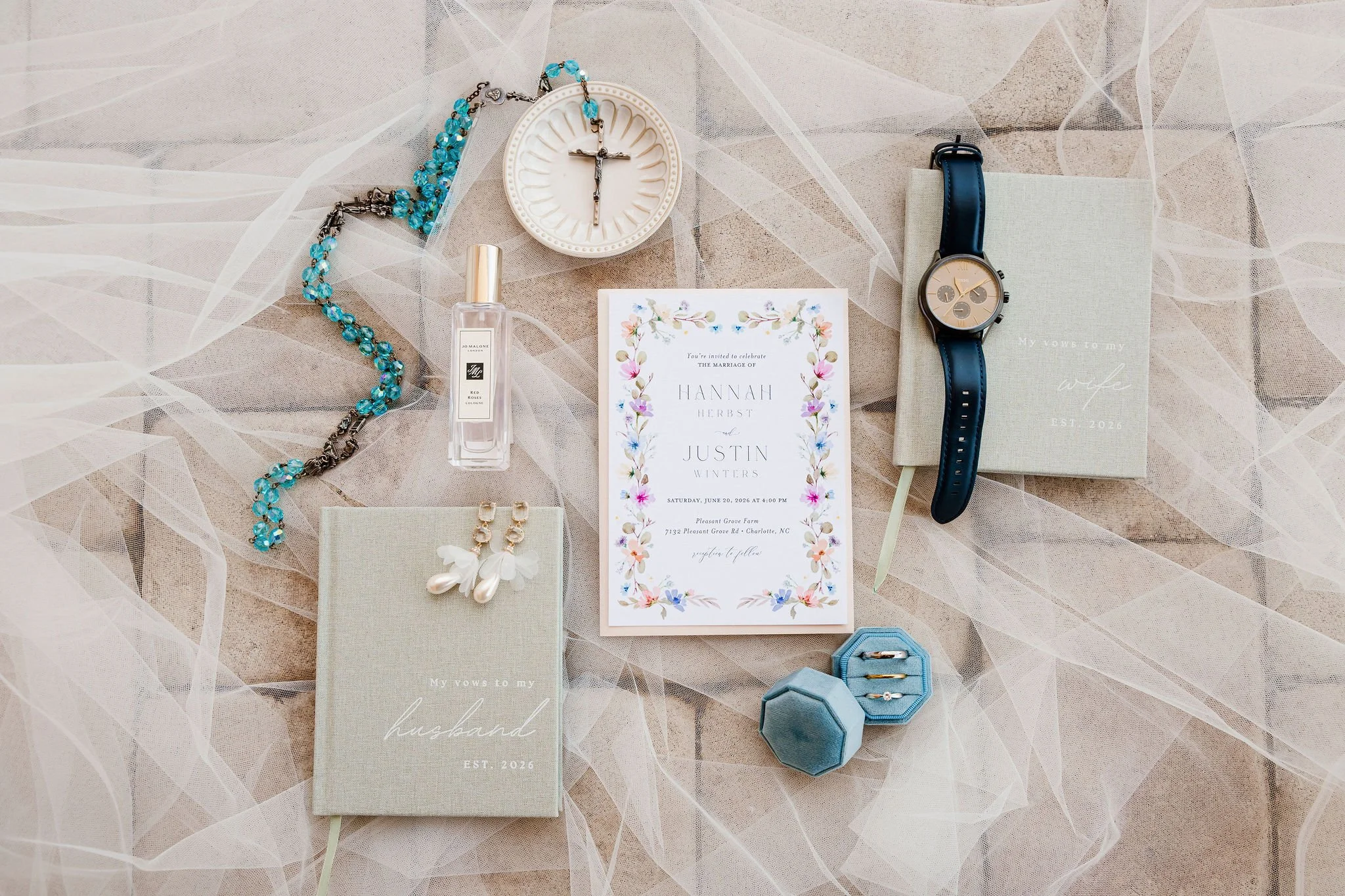
Photo by Kendal Mariee Photography
This is probably the most widely known wedding tradition in Western culture - and it has a surprisingly specific origin.
The rhyme dates back to Victorian England and comes from an old Lancashire saying: "Something old, something new, something borrowed, something blue, and a silver sixpence in her shoe." Each element carries its own meaning:
Something old - continuity and connection to the bride's past and family
Something new - optimism and hope for the future ahead
Something borrowed - borrowed happiness, typically from a happily married friend or family member whose good fortune would transfer to the bride
Something blue - purity, fidelity, and love; a tradition that traces back to ancient Israel, where brides wore blue ribbons to symbolize these values
The Groom Shouldn't See the Bride Before the Ceremony

Photo by Abate Photo and Film
This is one of the most debated superstitions in modern wedding planning - largely because the first look has become so popular. But where did this tradition come from?
It traces back to the era of arranged marriages, when couples often didn't meet until their wedding day. The concern wasn't romantic - it was practical. Families worried that if the groom saw the bride beforehand and had second thoughts, the deal would fall apart. By keeping them apart until the ceremony, there was no opportunity to back out.
Over time, the reasoning shifted. As marriages became more about love, the tradition was reframed as a romantic gesture - a way to preserve the emotional impact of seeing each other for the first time at the altar.
Today, it's a personal choice. Many couples still honor it. Many others opt for a first look. Neither is wrong.
Rain on Your Wedding Day Is Good Luck

Photo by Abate Photo and Film
Contrary to what the panic usually feels like, rain on your wedding day has long been considered a sign of good fortune - and several cultures have their own version of this belief.
In Hindu tradition, a wet knot is harder to untie - symbolizing a strong, unbreakable bond between the couple. In other cultures, rain is associated with fertility, cleansing, and new beginnings. The idea is that rain washes away the past and nourishes what's growing.
Whether or not you believe it, there's something comforting about reclaiming a rainy wedding day as a symbol of something meaningful - rather than a logistical problem.
The Wedding Veil
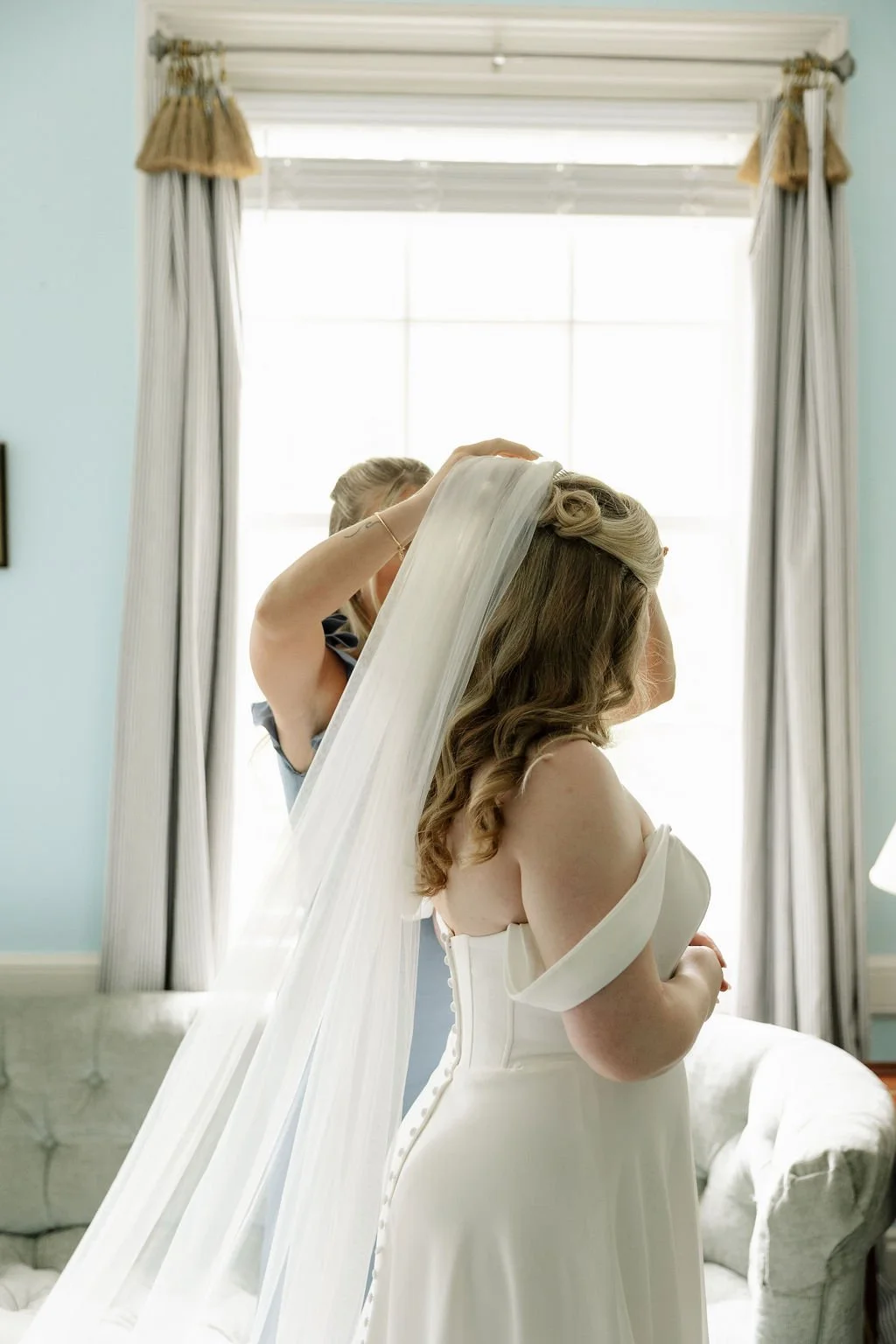
Photo by Gracie B Photography
The wedding veil is one of the oldest bridal traditions in existence, and its origins are rooted more in protection than beauty.
In ancient Rome and Greece, the veil was worn to disguise the bride and ward off evil spirits who might be jealous of her happiness. In the era of arranged marriages, the veil served a more literal purpose: to conceal the bride's face from the groom until the ceremony was complete and the agreement was sealed. This is also where the tradition of the father lifting the veil and presenting the bride to the groom comes from.
Over centuries, the veil evolved from a protective garment into one of the most beloved and iconic elements of bridal style.
Carrying the Bride Over the Threshold
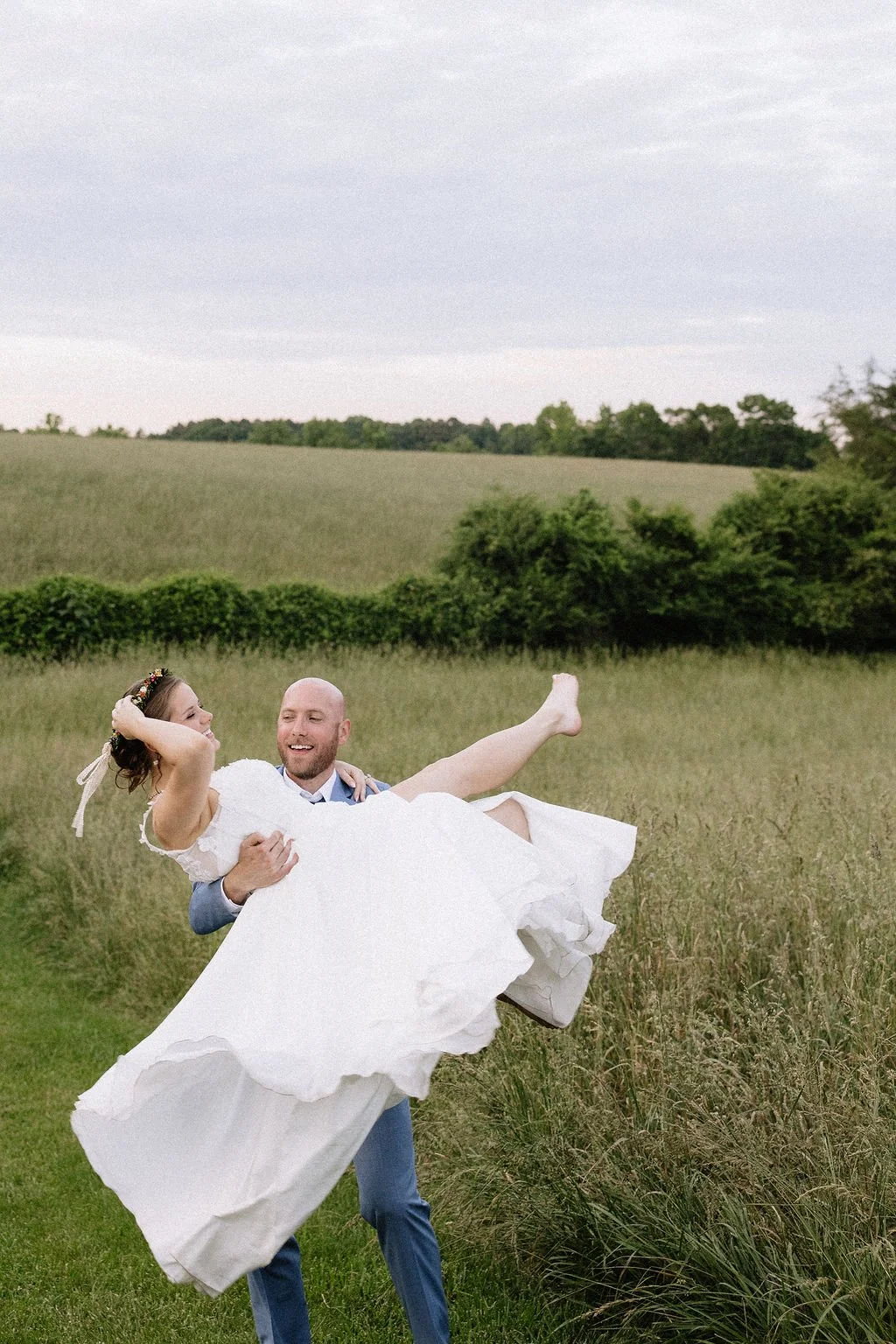
Photo by Mary Mosley Photography
The groom carrying the bride over the threshold of their new home is a tradition that goes back further than most people realize - all the way to ancient Rome.
The Romans believed that evil spirits lurked at the entrance of a new home, waiting to possess the bride through the soles of her feet as she crossed into her new life. By carrying her over, the groom ensured she never touched the threshold - and therefore remained protected.
In Medieval Europe, a different version of the superstition emerged: a bride stumbling as she entered her new home was considered a terrible omen. Carrying her over solved that problem entirely.
Today, it's a sweet and symbolic gesture - though most couples don't know just how ancient the reasoning behind it actually is.
The Wedding Ring on the Fourth Finger
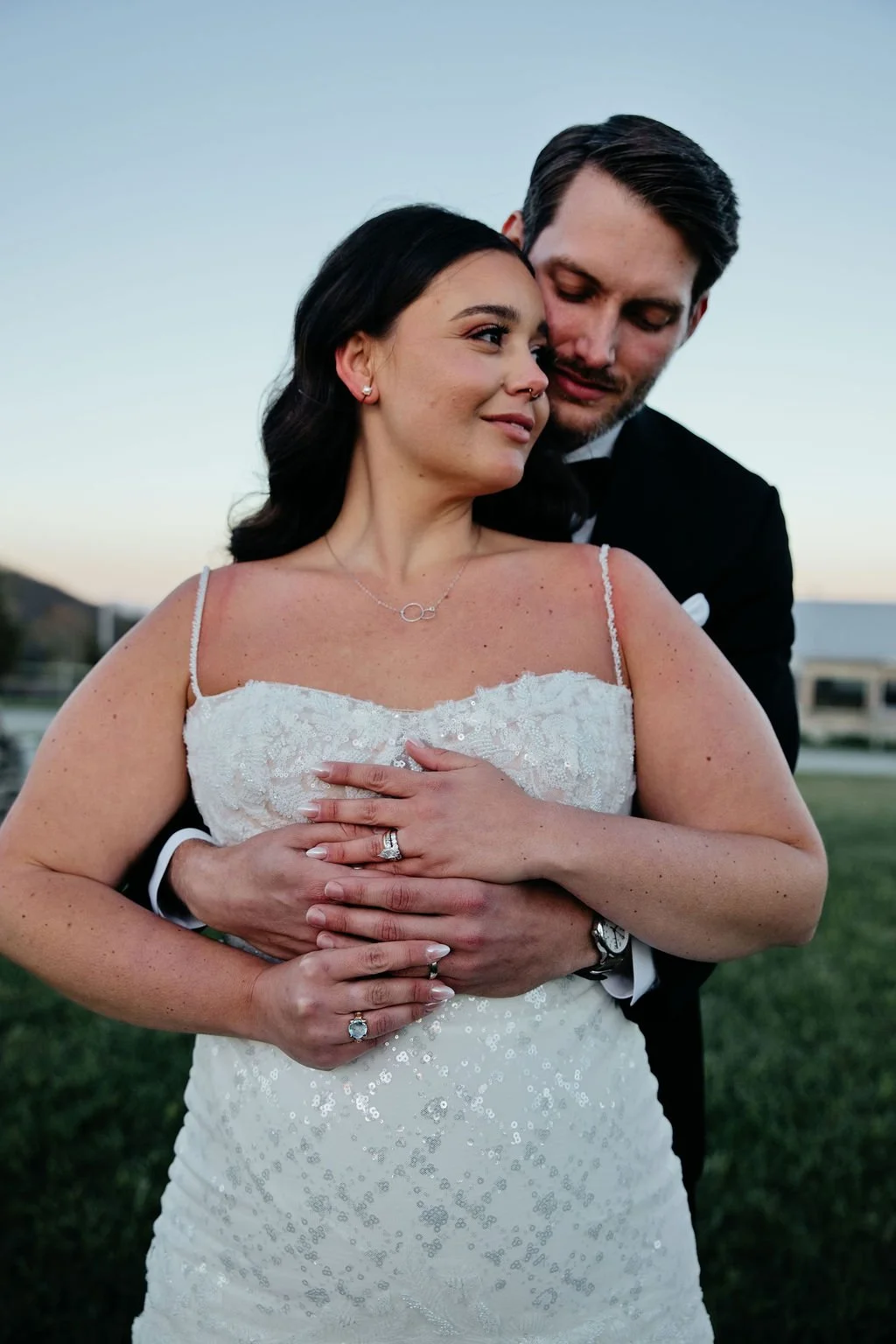
Photo by SJC Productions & Media
The tradition of wearing the wedding ring on the fourth finger of the left hand comes from an ancient Roman belief in the Vena Amoris - Latin for "vein of love."
The Romans believed this finger contained a vein that ran directly from the hand to the heart. Placing the ring there was a way of binding two hearts together - a gesture as symbolic as it was anatomical.
Modern science has since confirmed that all fingers share similar vascular structure, but the tradition has endured for centuries and shows no sign of fading.
Throwing the Bouquet
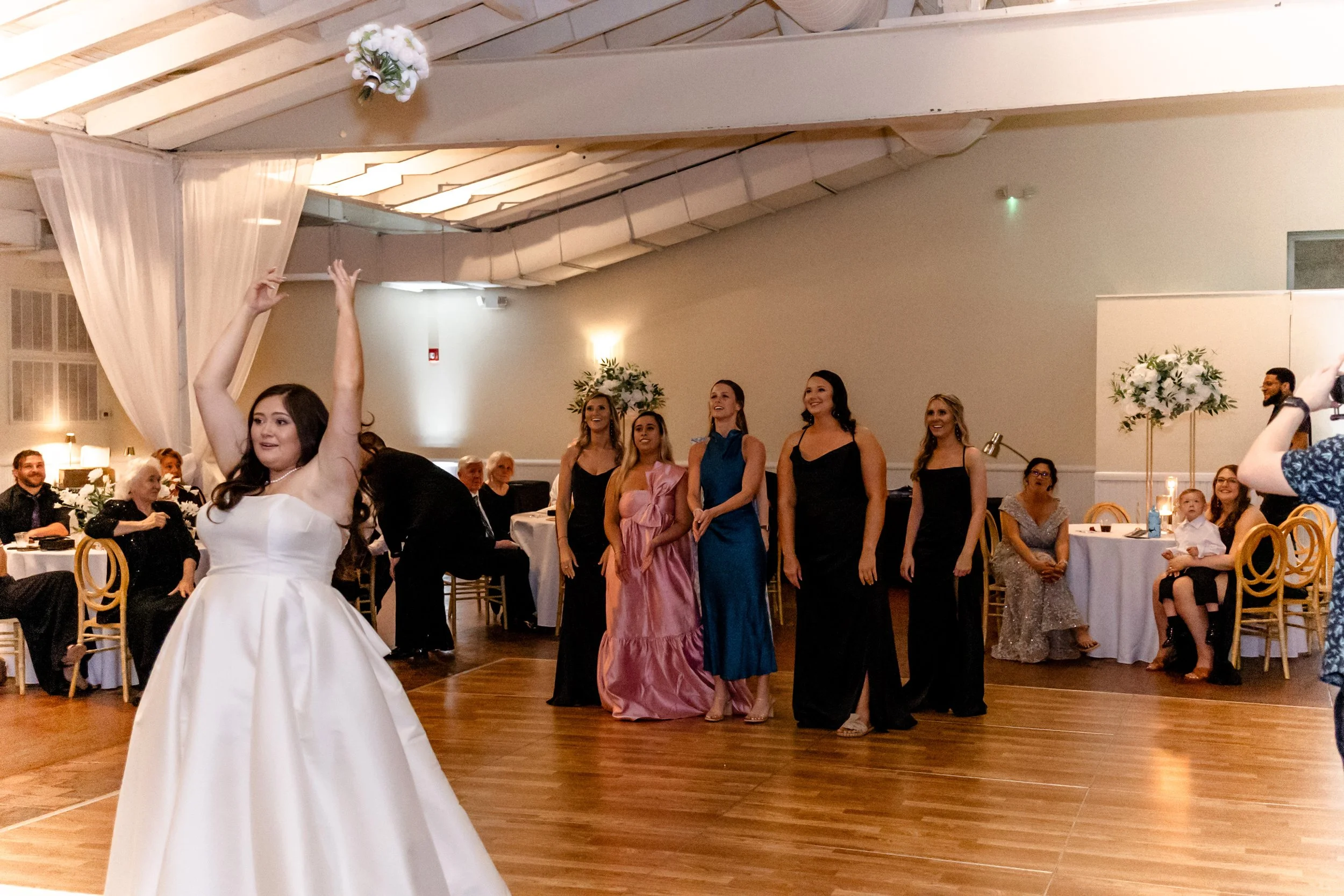
Photo by Reflections Media Carolinas
The bouquet toss has its roots in a much less elegant tradition than the one we practice today.
In medieval England, it was believed that touching or grabbing a piece of the bride's clothing or accessories on her wedding day would bring good luck. Guests would rush toward the bride - sometimes aggressively - trying to tear off pieces of her dress, her flowers, or her garter.
To escape the frenzy, brides began throwing the bouquet into the crowd as a distraction - giving guests something to chase while the bride and groom made their escape.
Over time, the chaos was refined into the bouquet toss tradition we know today, where catching the bouquet is said to mean the catcher will be the next to marry.
The Bride Stands on the Left, Groom on the Right

Photo by Alison Tapp Photography
Have you ever wondered why the bride traditionally stands on the left side during the ceremony?
The answer traces back to Anglo-Saxon England - and it has nothing to do with romance.
In those days, grooms needed to be ready to defend their bride at a moment's notice. By keeping his bride on his left side, the groom's right hand - his sword hand - remained free to fight off rival suitors or anyone who might try to interrupt the ceremony.
It's a detail that most couples never think twice about - but it has one of the most historically dramatic origins on this list.
Today, couples can choose either side and no one bats an eye.
Weddings are full of meaning - some of it ancient, some of it invented, and all of it woven into a day that is entirely your own. Whether you follow these traditions to the letter or create something completely new, what matters most is that every detail feels intentional.
At SC Signature Celebrations, we love helping couples build days that honor what matters to them - traditions included. If you're in the planning process and want a team who will make every detail feel thoughtful and personal, we'd love to connect.
Planner/Coordinator - SC Signature Celebrations
