Family Dynamics
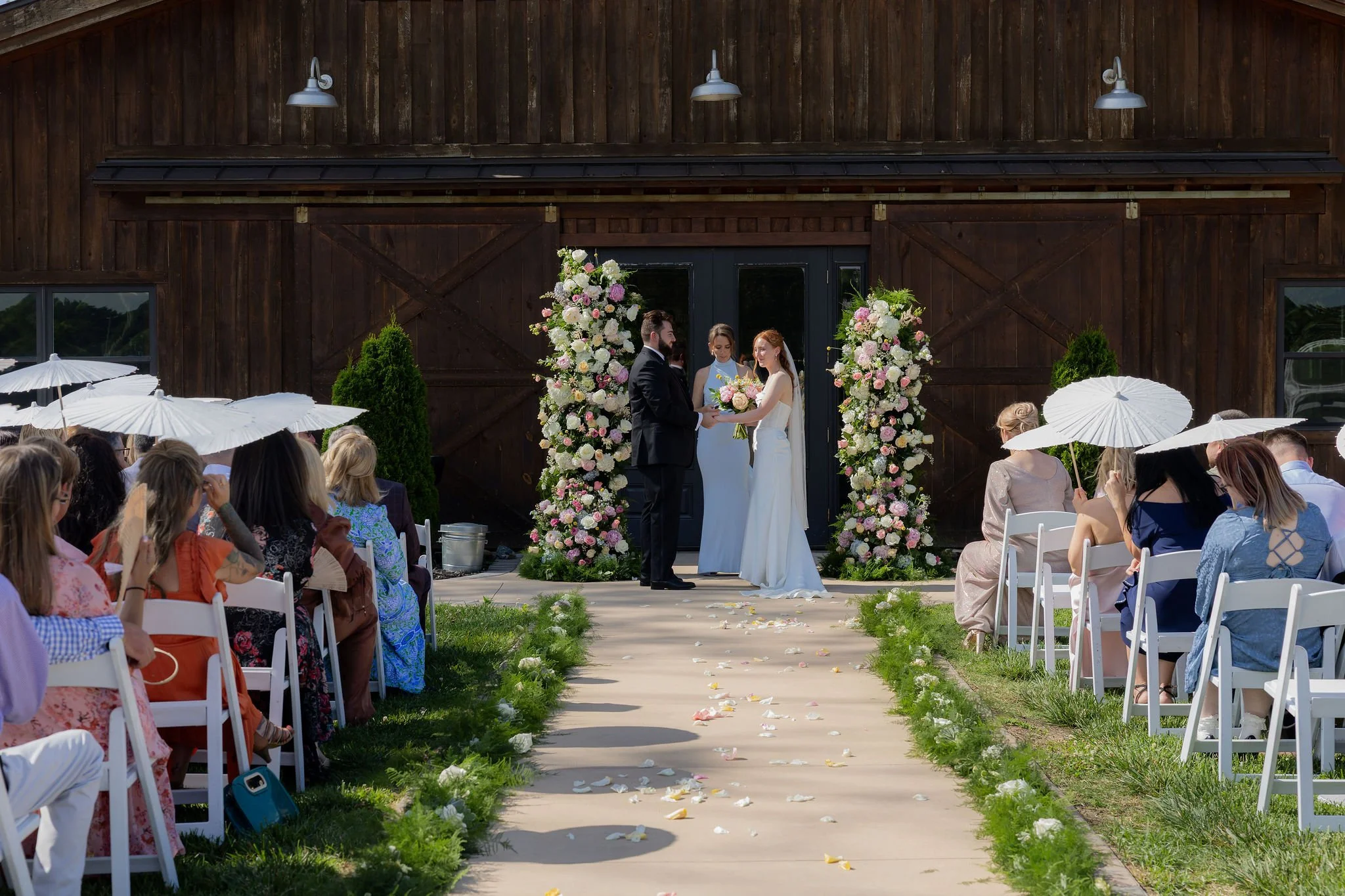
Photo by Chasing Stars Media
Here's the truth nobody puts on a wedding planning checklist: some of the most stressful parts of wedding planning have nothing to do with vendors, venues, or timelines. They have everything to do with family. Family is there to love and support you and your partner, they want you to have an amazing day, and they have the best of intentions, even if it doesn’t feel that way sometimes.
If you're navigating unsolicited opinions, complicated family dynamics, or just trying to keep the peace between two very different families - you are not alone. Family drama during wedding planning is one of the most common things couples face, and almost no one talks about it honestly.
So let's talk about it - what it looks like, how to handle it, and why having a wedding planner in your corner means you don't have to face any of it alone.
The Drama That Shows Up During Planning
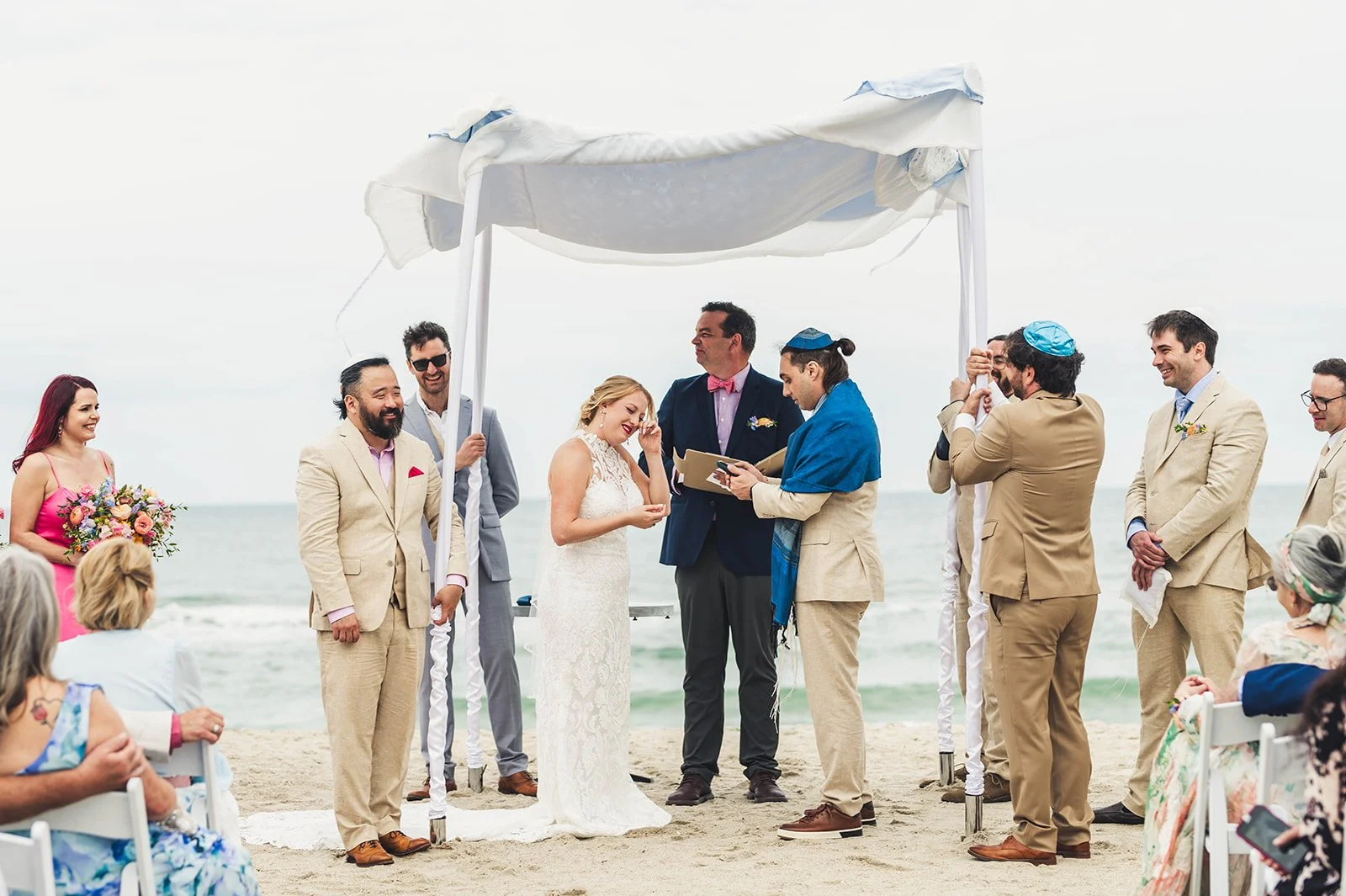
Photo by Abate Photo + Film
Family tension during wedding planning tends to show up in the same places, regardless of the couple. Here are the most common ones.
The Guest List - This is where most of it starts. Everyone suddenly has an opinion about who should and shouldn't be invited. Parents add names without asking. Someone feels left out. You're stuck managing everyone else's feelings while trying to honor your own vision. The guest list belongs to the couple - full stop.
Financial Contributions That Come With Conditions - When a family member contributes financially, it can come with the unspoken expectation that their money buys them influence. Venue, catering, the guest list - suddenly it's a negotiation. If a contribution comes with strings, have an honest conversation about decision-making before any money changes hands.
Unsolicited Opinions on Everything - The dress. The colors. The venue. The food. Everyone has something to say - and some people say it often. Fielding constant feedback on decisions you've already made is exhausting, especially when it comes from people you love.
Divorced or Blended Family Dynamics - Seating charts, processional order, photo groupings - all of it gets more complicated when families are blended, divorced, or estranged. Long-standing tension can turn a simple logistics conversation into an emotional situation no one planned for.
Wedding Party Choices - Choosing your wedding party is personal - and somehow, everyone has feelings about it anyway. Siblings who weren't chosen, friends who expected to be included, family members who feel overlooked. These conversations are hard, and they come up more often than most couples expect.
The Drama That Shows Up on the Wedding Day
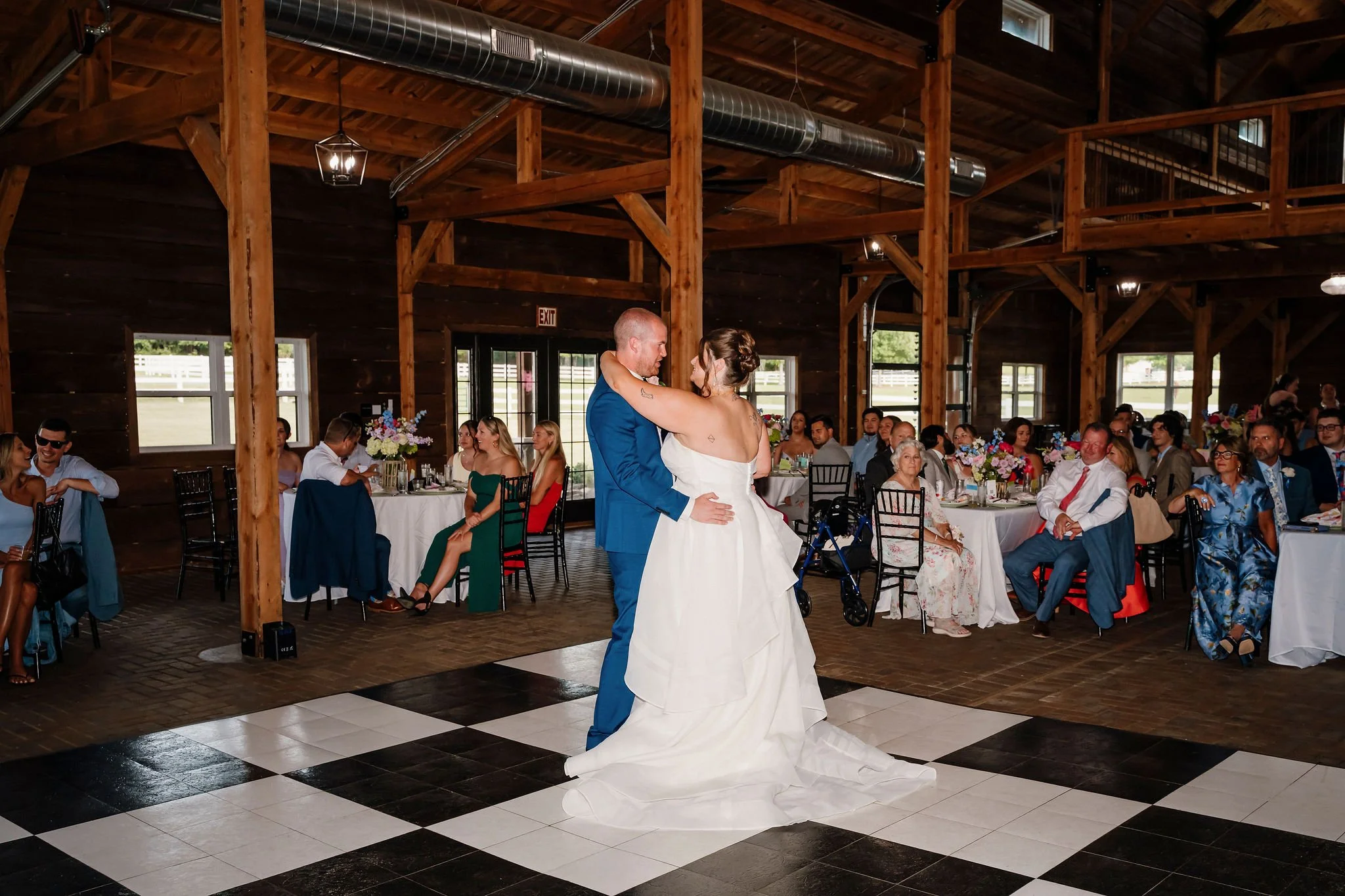
Photo by Kendal Mariee Photography
Even couples who navigate planning smoothly can run into surprises on the actual day. Here are the most common ones.
Someone Wears White - It happens, intentional or not. A family member showing up in white catches a bride off guard every time.
A Toast That Goes Off the Rails - Someone gets to the mic and suddenly it's a roast or a therapy session. A toast that goes off-script is uncomfortable for the whole room - and nearly impossible to stop once it starts.
Divorced Parents Who Won't Be in the Same Space - Managing this in real time, while trying to enjoy your own wedding, is an impossible ask. And yet it gets put on couples constantly.
The Family Member Who Makes It About Them - A scene, arriving late, inserting themselves into photos, deciding today is a good day to air a grievance. Whatever the form, the result is the same - the focus shifts away from the couple.
Last-Minute Plan Changes - Someone decides the processional order should be different. A parent insists on an unplanned moment. A family member wants to rearrange tables. Day-of changes driven by family pressure can throw off the entire timeline.
Uninvited Guests - Someone brings a plus-one who wasn't on the list. A family member invites someone without asking. On a day with a carefully planned headcount and seating chart, one unexpected guest creates real logistical problems.
How to Handle It - Before and During
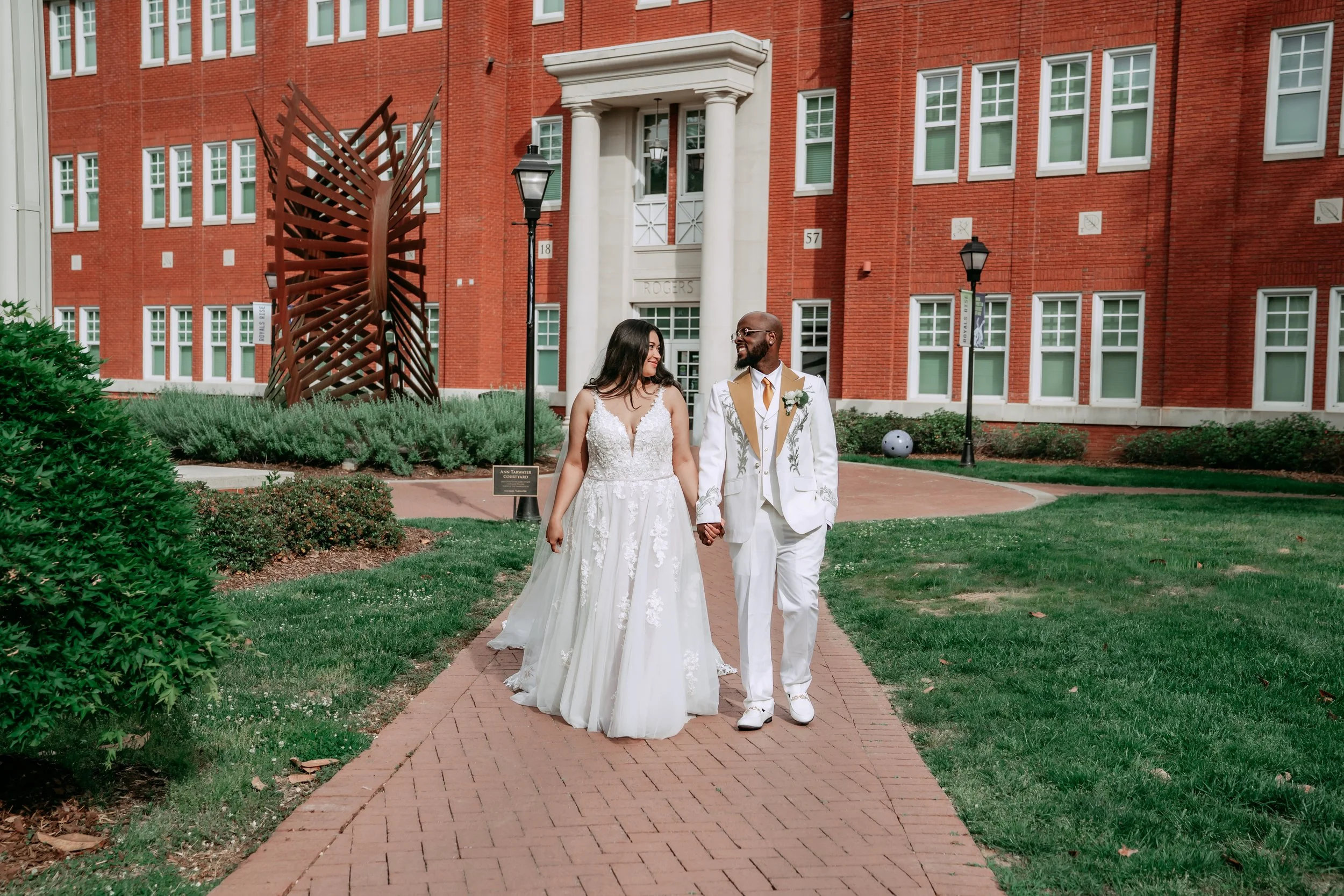
Photo by Dream Haven Photography
You can't control family. But you can control how prepared you are when it shows up.
Set expectations early. Establish that the final call belongs to the couple - before emotions are already high.
Keep decisions final. Once you've made a call, hold it. Reopening things teaches people that pushing back works.
Have the hard conversations before the wedding day. If you know there's tension, address it ahead of time - not in the moment.
Release the need to make everyone happy. You won't be able to, and trying will exhaust you. Focus on what matters to the two of you.
Protect your energy on the wedding day. This is the one day you get to be fully present in your own life. You deserve to actually be there for it.
Why Having a Planner/Coordinator Changes Everything
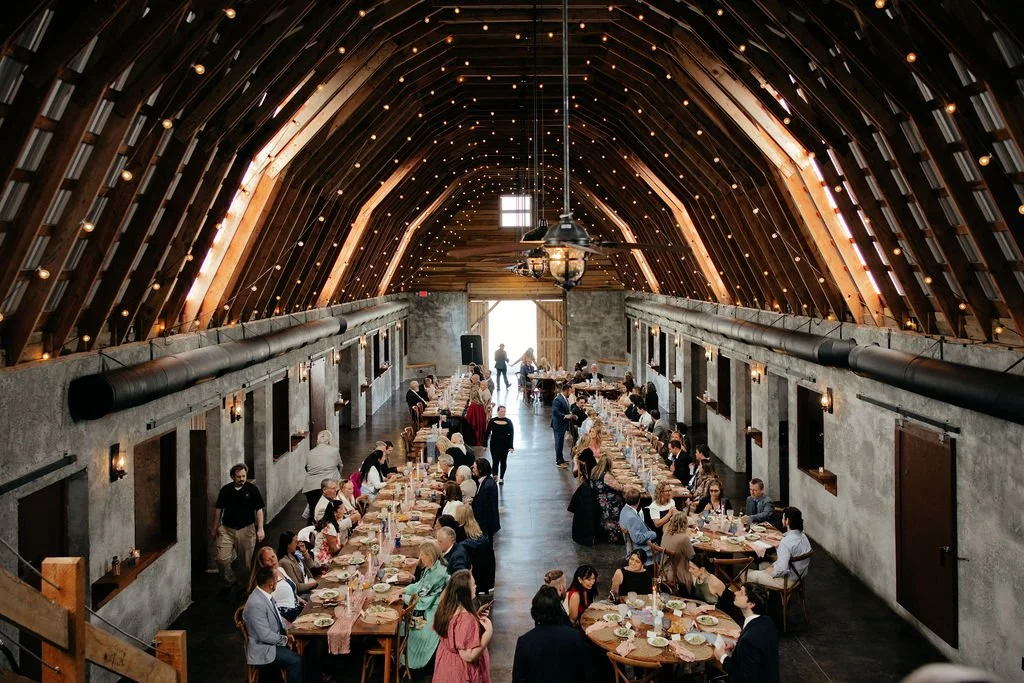
Photo by SJC Productions & Media
This is the part that doesn't get talked about enough: one of the most valuable things a wedding planner/coordinator does is absorb the family drama so you don't have to.
When you have a planner or coordinator, they become the point of contact. Questions, last-minute requests, seating confusion - all of it goes to them. Your phone stays in your pocket and your attention stays where it belongs.
A good planner has seen it all. They know how to redirect a difficult family member without creating a scene. They hold the timeline when someone tries to derail it, enforce your decisions without putting you in the middle, and handle everything calmly and professionally - so you never even know it happened.
And it starts well before the wedding day. A great planner helps you think through friction points in advance - divorced family logistics, seating strategies, timeline structures that minimize tension. They've navigated it before, and they know what works.
Frequently Asked Questions
How common is family drama during wedding planning? Very common. Most couples deal with some form of family tension - guest list disagreements, unsolicited opinions, blended family dynamics.
Should I tell my wedding planner/coordinator about family issues? Yes. The more context your planner/coordinator has, the better they can anticipate and manage friction points before they become problems on the day.
How do I handle divorced parents at my wedding? Have a conversation with each parent separately before the day. Set clear expectations, and work with your planner/coordinator on a seating arrangement and timeline that gives everyone enough space.
What do I do if a family member causes drama on the wedding day? If you have a planner/coordinator, let them handle it - that's exactly what they're there for. If not, designate a trusted person ahead of time who's empowered to step in so you don't have to.
How do I set boundaries with family during wedding planning? Be clear, kind, and consistent. Decide what belongs to the couple, communicate it once, and don't reopen it. You can love your family and still protect your peace.
Can a wedding planner/coordinator help with difficult family members? Absolutely - and it's one of the most underrated reasons to hire one. A planner/coordinator acts as a professional buffer, redirecting difficult conversations and managing last-minute demands so your day stays on track.
Family is complicated. Weddings are emotional. Put the two together and you've got a situation that even the most prepared couple can find overwhelming. But with the right support in place - and a plan for the hard moments - you can walk into your wedding day knowing that whatever comes up, someone else has it handled.
At SC Signature Celebrations, we've seen it all - and we're very good at handling it quietly. If you want a team in your corner who will protect your day from start to finish, we'd love to connect.
